Au Vieux Saint Martin
Wednesday evening I had dinner at Au Vieux Saint Martin at Grand Sablon and I’m embarrassed to say, it was my first time visiting this historical establishment.
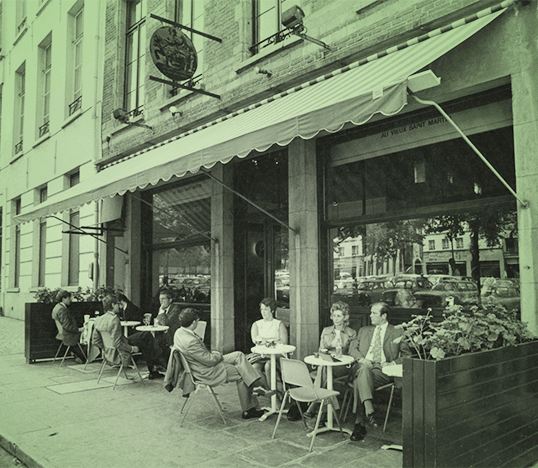
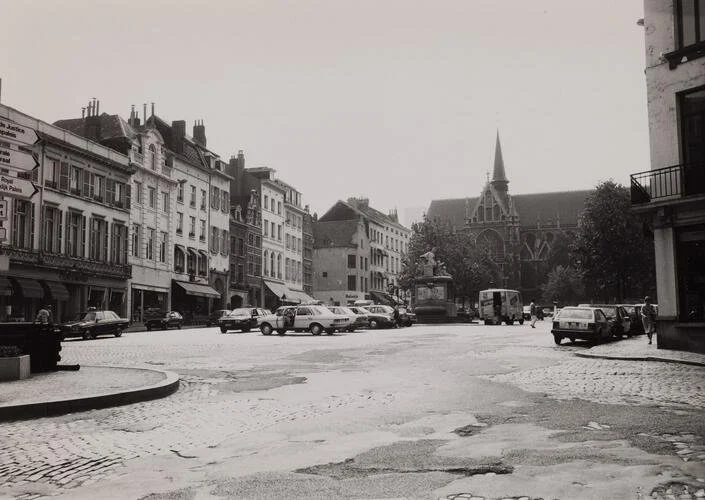
Today the Sablon is one of the most desirable neighborhoods in Brussels. Antique dealers, art galleries, luxury chocolate shops. But in the 1960s it was far less polished. Parts of the area were worn down, several buildings were neglected, and it hadn’t yet become the high-end destination it is today. The transformation of the Sablon into an elegant antiques and cultural district happened gradually over the following decades.
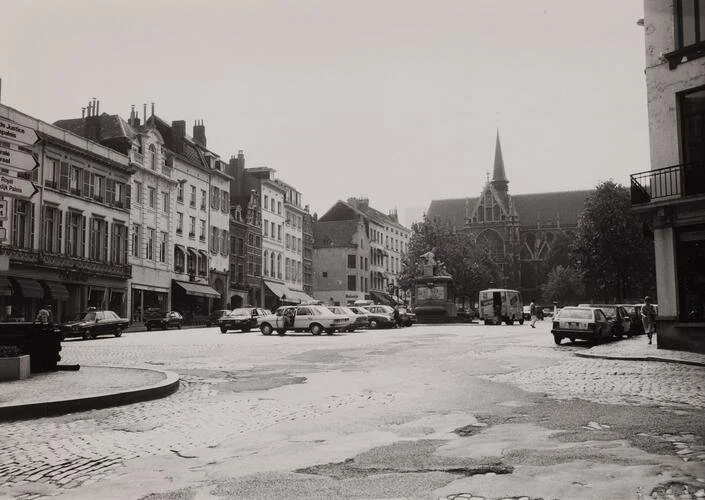
Sablon 1959 - Inventaire du patrimoine architectural
The restaurant opened here in 1968, when Albert Niels (1917–1978) took over the former Café de la Justice and renamed it Au Vieux Saint Martin. He didn’t just open a brasserie, he invested in the space. Together with designer Christophe Gevers, he redesigned the interior using oak, brass and copper. He was also an art lover, and the walls were decorated with artworks. The restaurant name refers to a 16th-century sculpture of Saint Martin, traditionally seen as a protector of the poor.
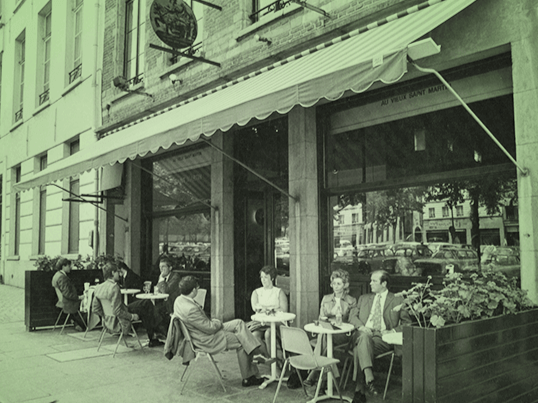
1968 Au Vieux Saint Martin @au vieux saint martin
The Niels family story, however, starts earlier.
The Filet Américain
Joseph Niels, an ancestor of the current owners, is widely credited with creating and formalising the recipe for filet américain in 1924. Raw beef preparations already existed, but he developed a specific seasoning and method that became the Brussels reference version. Over time, this preparation spread throughout Belgium and became a national classic.
In 1988, Albert’s sons, Albert-Jean and Philippe Niels, modernised the restaurant while keeping its brasserie identity intact. Since 2011, it has been run by Albert-Jean Niels and his son Frédéric, keeping the establishment firmly in family hands. In 2024, they marked 100 years of filet américain.
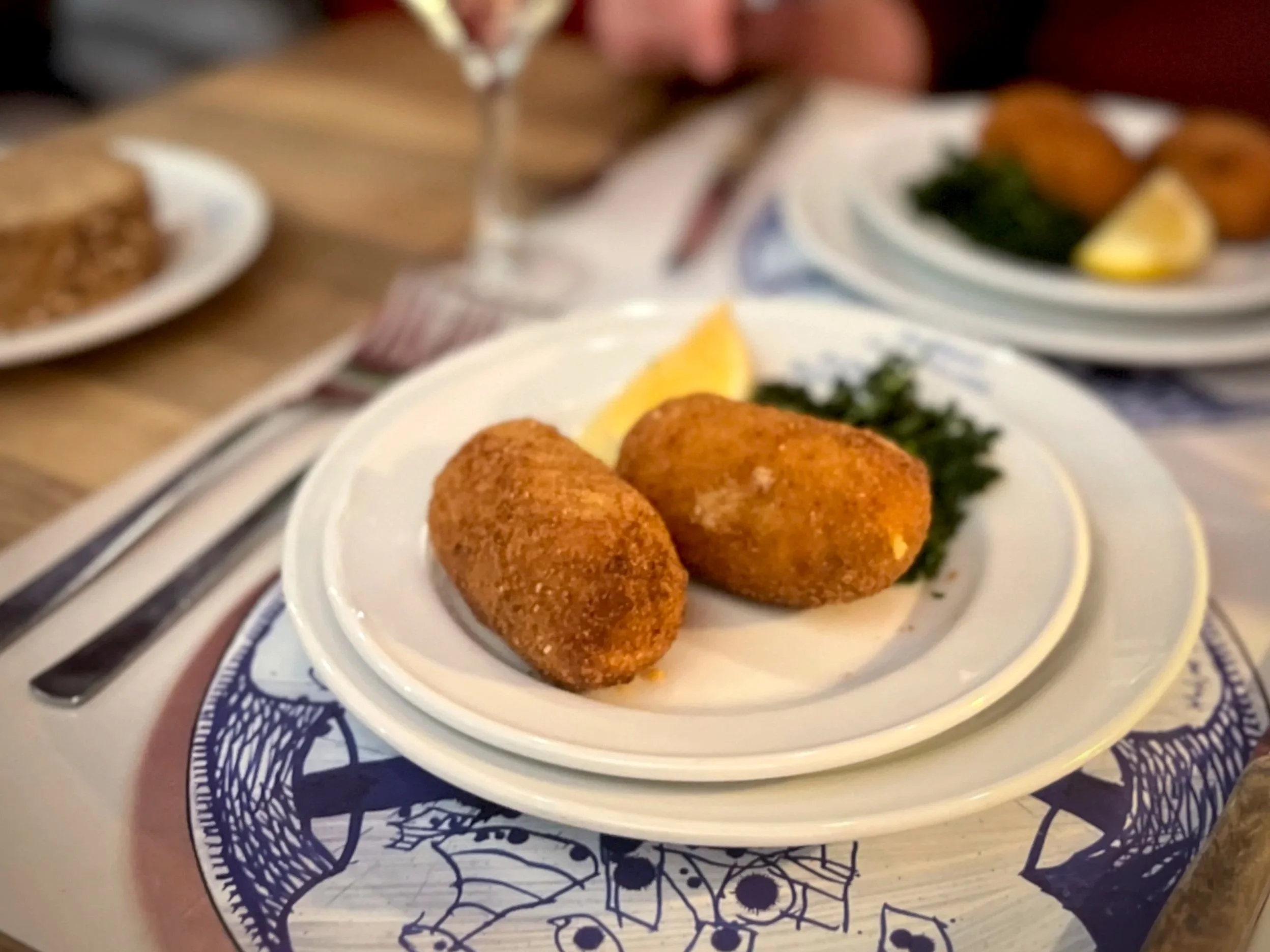
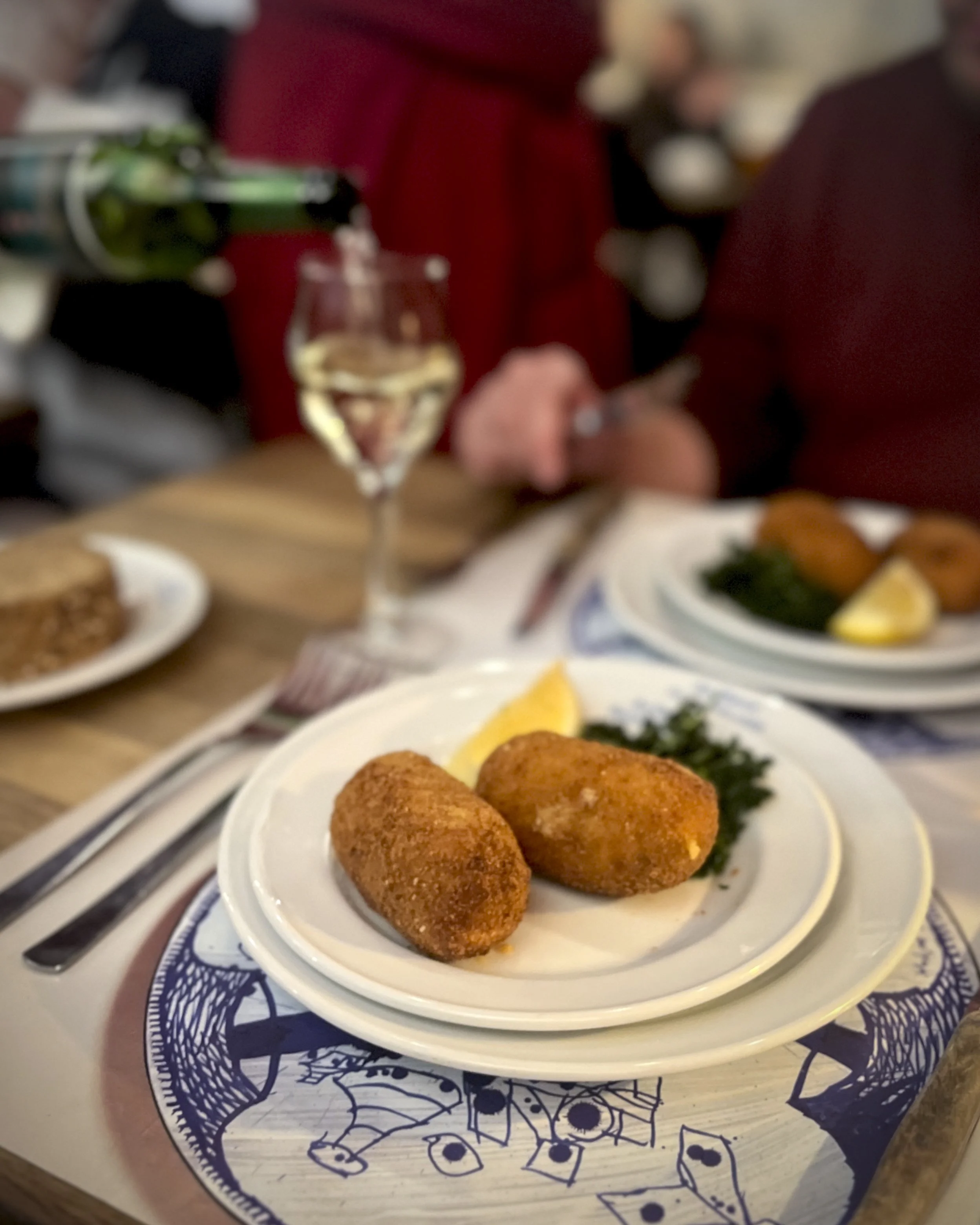
Our meal was very good. And that feels like an understatement. We started with shrimp croquettes. Very good. Crisp shell, well-filled, properly seasoned. Exactly what you want from a classic Brussels brasserie.
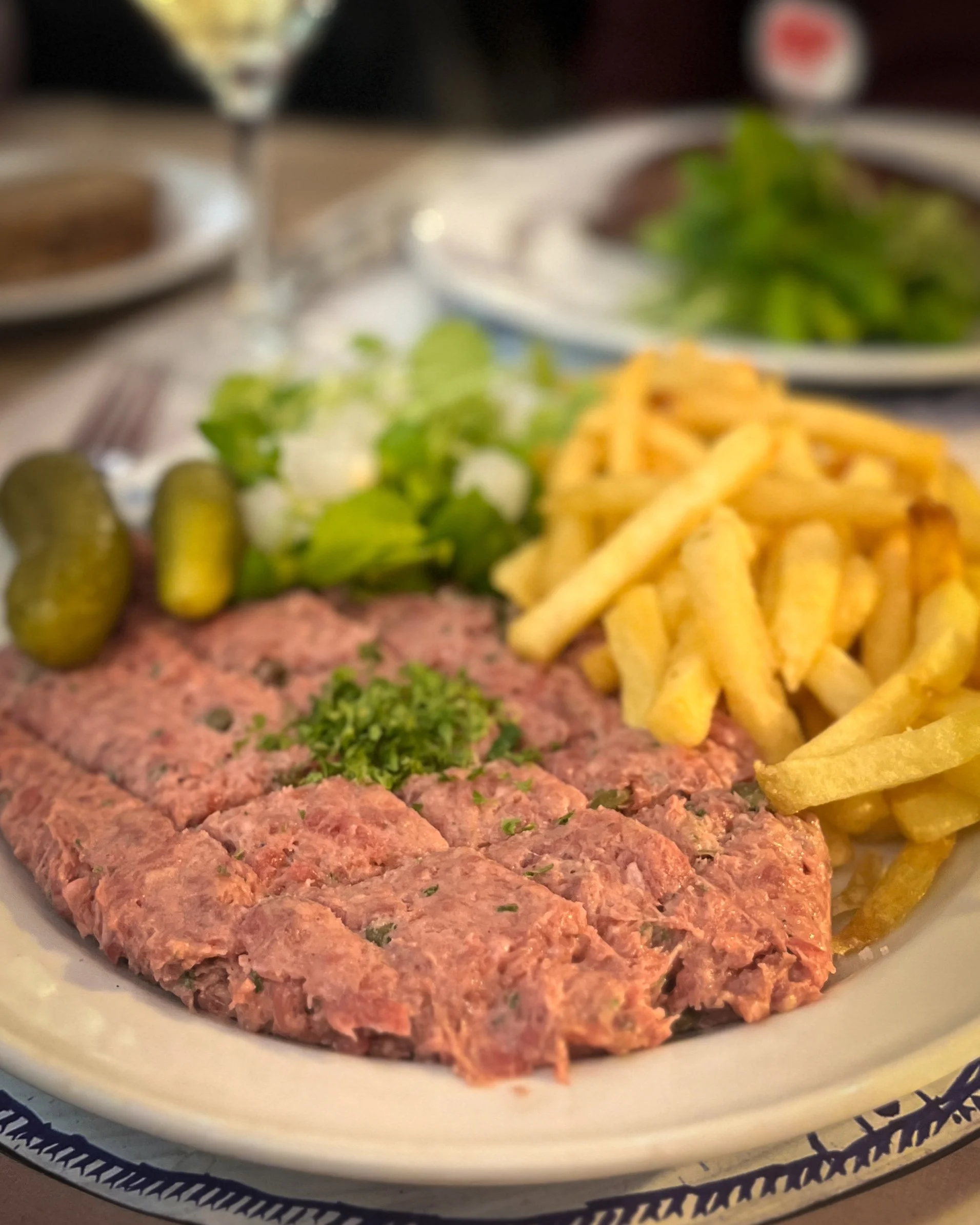
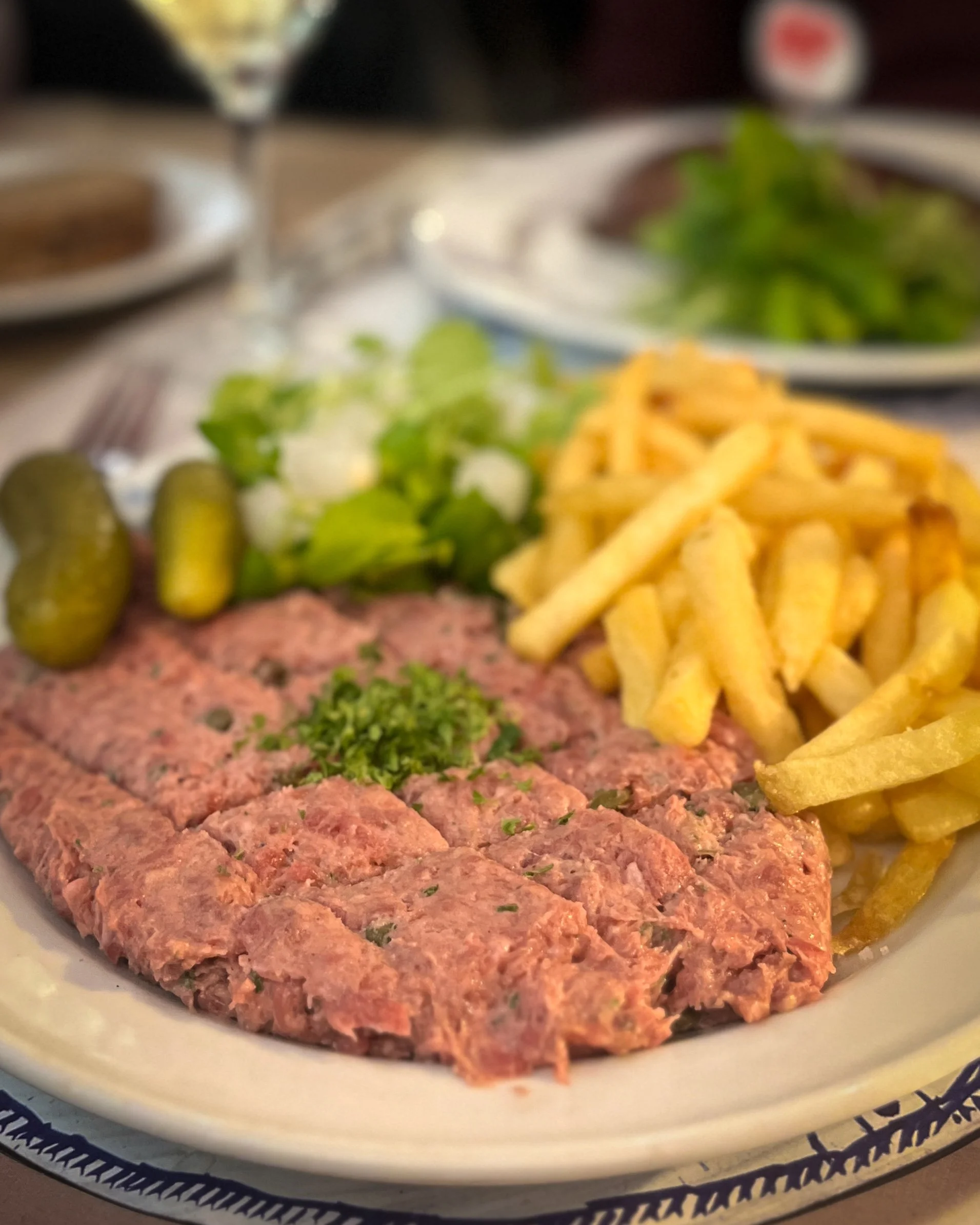
Then the filet américain.
I’ve had many since living in Brussels. This one is easily among the top ones I’ve eaten. Nicely seasoned, smooth texture without being overworked. Slight acidity with the capers mixed in and a touch of sweetness when you had a bite of the dill pickle on the side. It was perfect, actually. It was served with thin crispy fries and homemade mayonnaise.
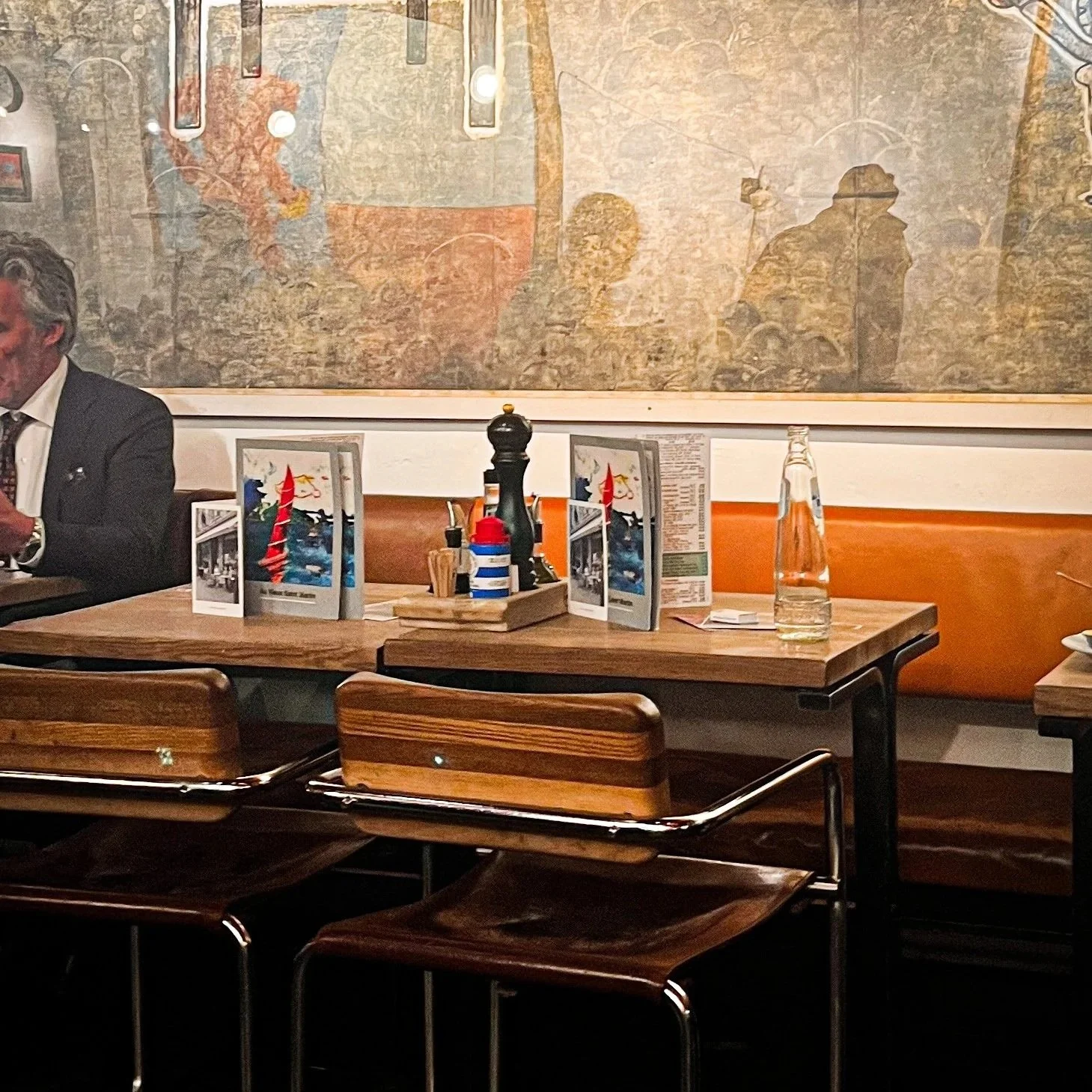
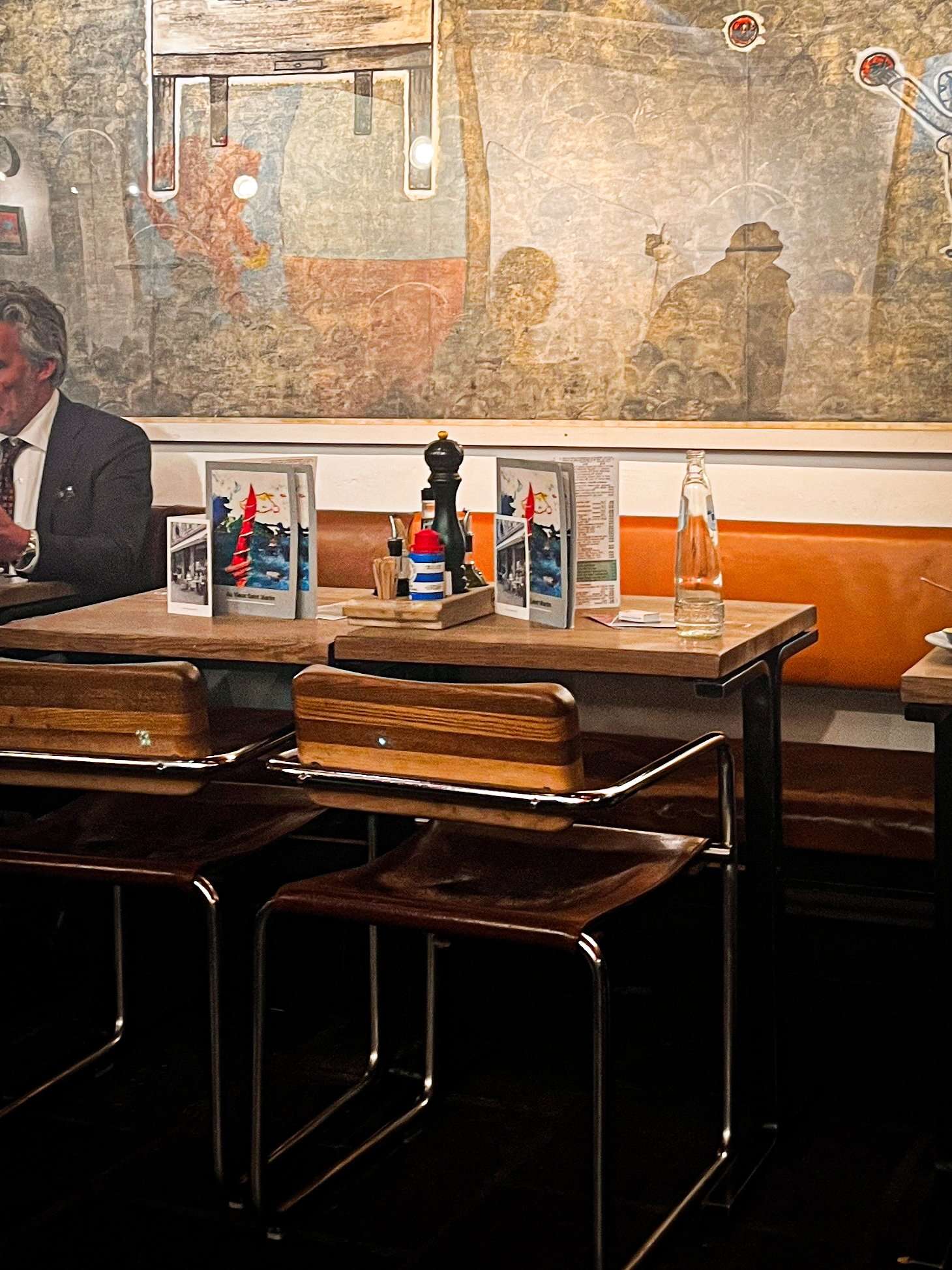
The interior remains classic brasserie: white tablecloths, warm wood, professional service. It feels established and confident.
Step outside and you’re close to the Church Notre-Dame des Victoires au Sablon, one of the most recognisable Gothic churches in the city. Tucked between the Grand and Petit Sablon, this late Brabantine Gothic church is one of the most elegant buildings in Brussels. It began as a small 14th-century chapel for the crossbowmen’s guild before growing into the impressive structure you see today, thanks to a surge of pilgrims devoted to a revered statue of the Virgin Mary.
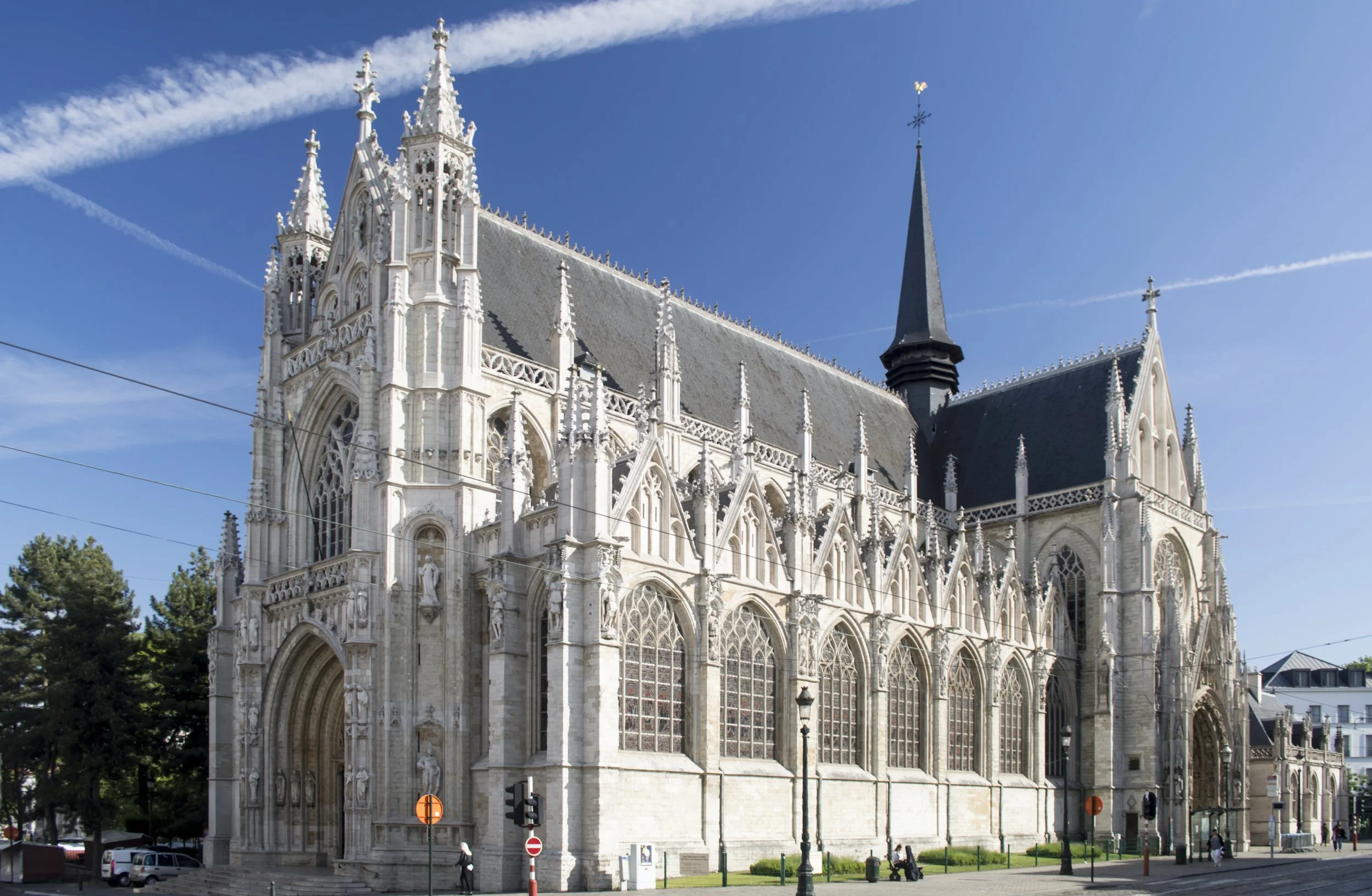
Eglise Notre-Dame des Victoires au Sablon 2015 @voyager747
Au Vieux Saint Martin has lasted because it stayed consistent. Belgian classics, properly executed. And when a restaurant is historically linked to one of the country’s most iconic dishes, that matters.
Au Vieux Saint Martin
Place du Grand Sablon 38, 1000 Bruxelles
No reservations for tables under 6 people
Open 7/7 from 10h to 23h